
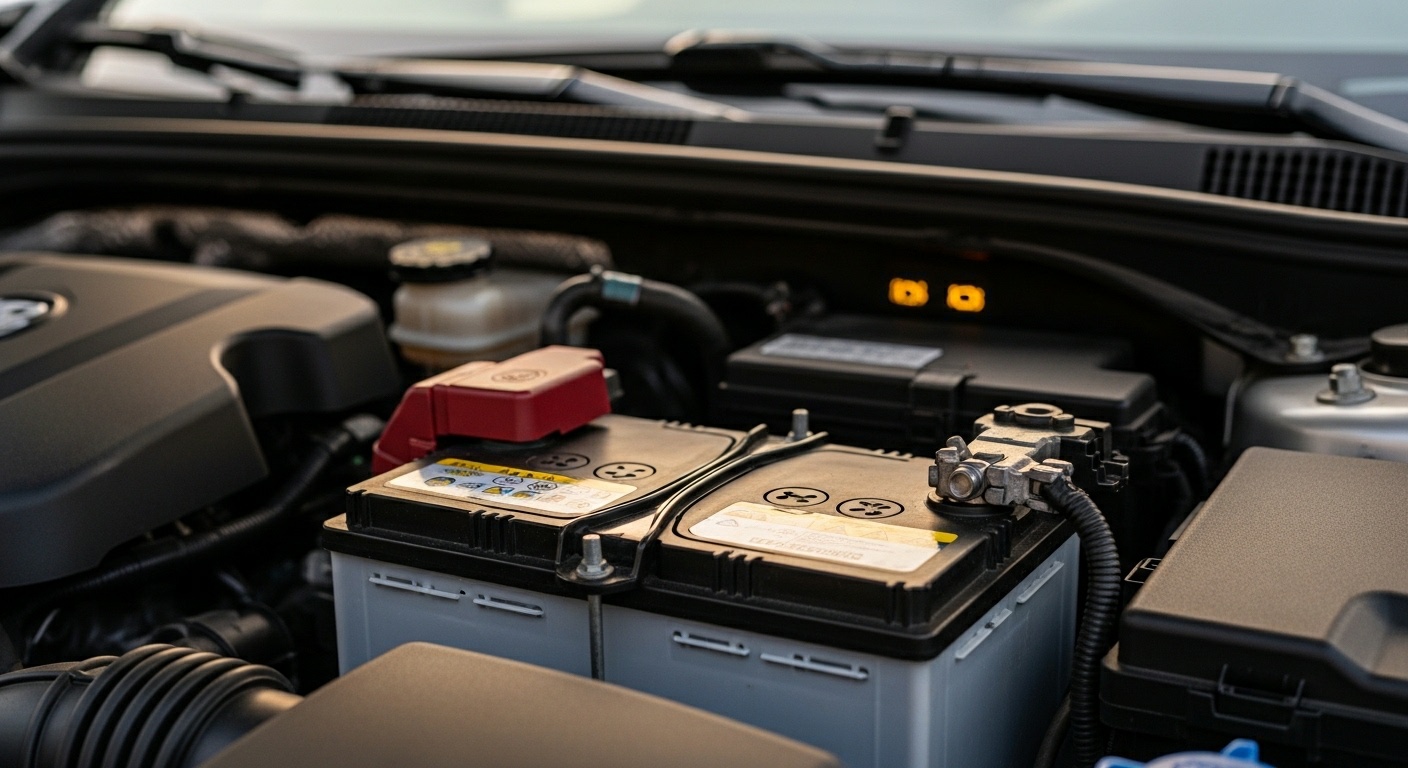
You rely on your car to get where you need to go, and a dead battery can ruin your plans fast. The good news is that most battery problems are preventable with simple habits and regular checks. By understanding how your battery works and following a few key practices, you can avoid unexpected breakdowns, save money, and keep your vehicle running smoothly.
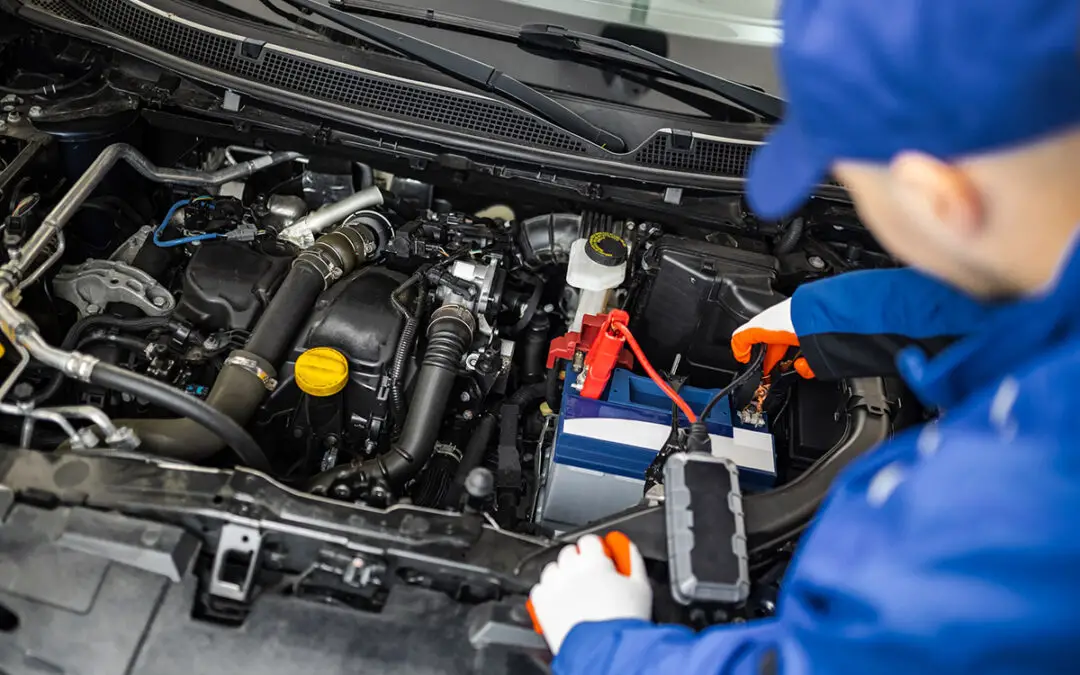
Use a battery maintainer or disconnect the battery if you won’t drive for an extended period, and regularly check for corrosion or electrical drains. Simple actions like cleaning terminals, testing the battery, combining short trips, and fixing minor issues early can significantly extend battery life. And if you ever find yourself stuck, you can always rely on Rapid Jump Start for fast, professional assistance.
Key Takeaways
- Maintain your battery regularly to extend its life
- Identify and fix electrical drains early
- Adjust driving habits to keep the battery fully charged
Understanding Car Battery Basics
A car battery stores chemical energy and converts it into electrical energy to power your vehicle. When you turn the key, the battery sends a surge of electricity to the starter motor, which starts the engine. Once the engine is running, the alternator takes over, supplying power and recharging the battery.
Most vehicles use 12-volt batteries rated by cold cranking amps (CCA), which indicate how well the battery can start in cold conditions. Choosing the correct battery type and rating for your vehicle is essential for reliable performance.
Signs Your Battery Is Failing
Recognizing early warning signs can prevent you from being stranded. Common symptoms of a weak battery include:
- Slow engine crank
- Dim headlights or electrical issues
- Dashboard battery warning light
- Corrosion on terminals
- Frequent need for jump starts
If your battery voltage drops below 12.4 volts, it may be partially discharged, and anything under 12.0 volts usually indicates a weak or failing battery. In such cases, testing or replacement should not be delayed.
Essential Maintenance Habits
Regular maintenance is one of the most effective ways to prevent battery failure.
Inspect and Clean Regularly
Check your battery at least once a month. Look for cracks, leaks, or swelling. Clean dirt and corrosion using a mixture of baking soda and water. Keeping the battery clean prevents power loss and improves efficiency.
Keep Terminals Tight
Loose or corroded terminals reduce electrical flow. Ensure connections are tight and apply a small amount of dielectric grease after cleaning to prevent corrosion.
Test Your Battery
Test your battery every six months using a multimeter or at a service center. If the voltage is consistently low, struggles to hold a charge, or the battery is more than a few years old, it may be time for a battery replacement. Regular testing helps identify weak batteries early and prevents unexpected breakdowns.
Avoid Electrical Drains
Parasitic drains are one of the most common causes of dead batteries. These occur when electrical components continue to draw power even after the car is turned off.
Common causes include:
- Phone chargers left plugged in
- Interior lights staying on
- Faulty wiring or aftermarket electronics
To prevent this, always unplug unused devices and ensure all lights are off before leaving your car. If your battery frequently dies overnight, a hidden drain may need professional inspection.
Use Electronics Wisely
Modern vehicles rely heavily on electronics, but improper use can drain your battery quickly. Avoid using accessories like lights, radio, or charging ports when the engine is off. High-power features such as heated seats or defrosters should also be used carefully, especially during short drives.
If you’ve used multiple electronics while the engine was off, take your car for a longer drive to allow the alternator to recharge the battery fully.
Improve Your Driving Habits
Your driving routine has a direct impact on battery health.
Avoid Frequent Short Trips
Short trips don’t give the alternator enough time to recharge the battery after starting the engine. Over time, this leads to reduced battery capacity.
Try to:
- Combine errands into one longer trip
- Drive for at least 20–30 minutes occasionally
- Limit accessory use during short drives
Drive Consistently
Cars that sit unused for long periods are more likely to develop battery issues. Regular driving keeps the battery charged and in good condition.
Proper Charging and Storage
If your car is not used regularly, the battery will slowly lose charge. To prevent this:
- Use a battery maintainer or trickle charger
- Disconnect the battery for long-term storage
- Store the battery in a cool, dry place
Smart chargers are recommended because they prevent overcharging and maintain optimal battery levels.
Avoid repeated jump starts, as they indicate a deeper issue. If your battery keeps dying, it’s better to test or replace it rather than relying on temporary fixes. In emergencies, Rapid Jump Start provides a safe and quick solution to get your vehicle running again.
Conclusion
Keeping your car battery healthy doesn’t require advanced knowledge it simply comes down to consistency and awareness. By maintaining your battery, avoiding unnecessary drains, and improving your driving habits, you can extend its lifespan and reduce the risk of sudden failure.
Simple steps like cleaning terminals, testing voltage, and taking longer drives can make a significant difference. Most importantly, addressing small issues early prevents costly repairs and inconvenient breakdowns.




0 Comments