
Here’s a story that plays out in driveways every weekend. Someone spends $400 on a car audio upgrade, expects it to transform their commute, and ends up with a system that sounds worse than the factory stereo they ripped out. They blame the brand. They blame their car. They almost never blame the actual culprit, which is the decisions they made before they bought a single component.
Cheap and premium aren’t really opposites in car audio. They’re labels people slap on receipts. The honest split is between money spent well and money spent badly, and most “budget upgrade gone wrong” stories are some combination of the same five mistakes. Avoid these, and a modest budget can produce a system that genuinely impresses. Repeat them with $1,500, and you’ll spend the next year wondering why everyone else’s car sounds better than yours.
In This Article:
Mistake 1: Buying watts instead of clean power
This one trips up almost everyone. A $70 amp with “1500W” printed on the side will produce a fraction of that under any condition that exists outside a lab. The number people should be reading is RMS power into the load they’ll actually run, and that figure is usually buried or missing entirely from the cheapest listings.
Underpowered amps don’t just sound bad. They damage speakers. When you push a weak amp past its clean output, it clips — sending a distorted signal that quietly fries voice coils. People assume cheap speakers are blowing because they’re cheap. They’re usually blowing because the amp behind them is lying about how much power it can actually make.
Mistake 2: Premium speakers in stock, hollow doors
This is the single most common waste of money in car audio. Someone buys a $500 component set, drops them straight into untreated factory doors, turns up a song, and wonders why it still rattles and sounds thin. The doors are the enclosure. Without sound deadening, a layer of mass damping on the inner skin, and seals around the speaker, even excellent drivers can’t do what they’re designed to do.
The fix isn’t expensive. A roll of decent damping material and an afternoon’s work is enough to transform a stock door into something that actually contains and projects sound. Skipping it is like buying a high-end pair of headphones and listening to them with the earcups held three inches off your head.
Mistake 3: Choking everything with a bad source
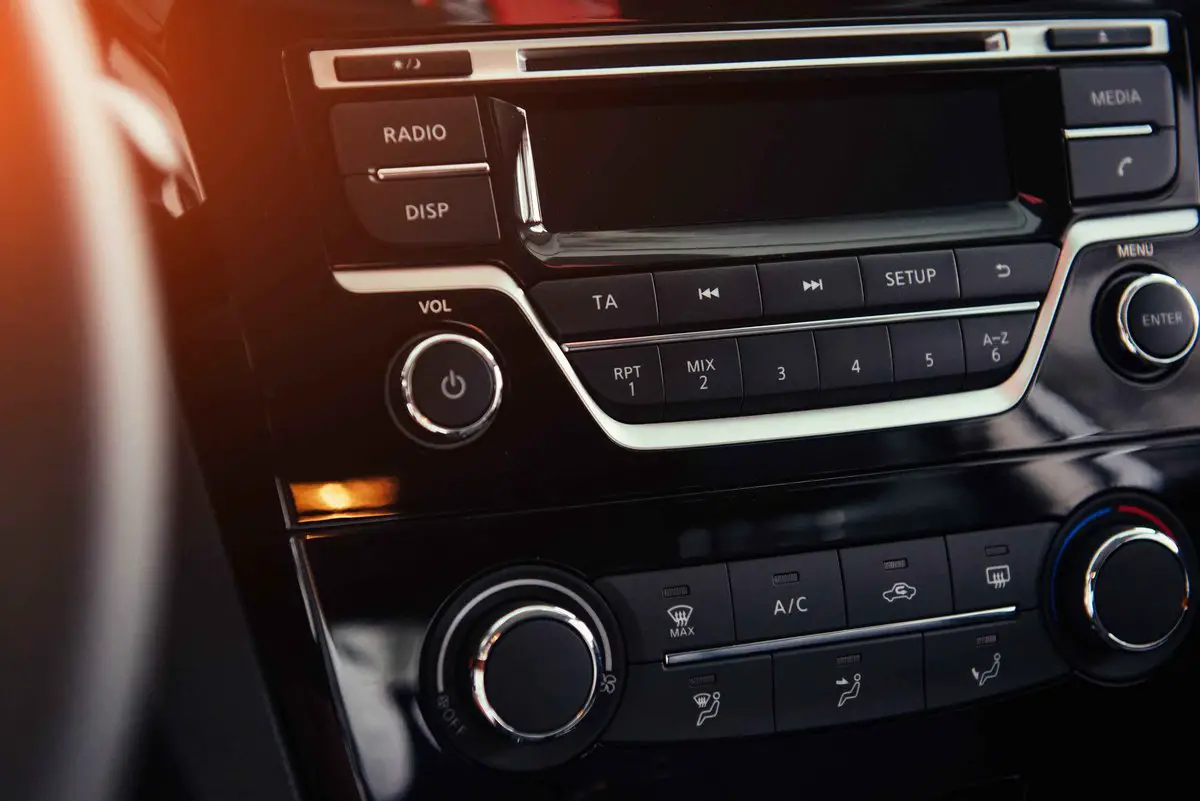
People upgrade speakers, then amps, then subs, and leave the original $30 head unit doing the signal duty. The result is predictable: a system that’s only as clean as its weakest input. A budget head unit with a noisy DAC and limited preamp outputs will hand the rest of the chain a compromised signal, and no amount of premium gear downstream can recover what was lost at the source.
This doesn’t mean you need a thousand-dollar head unit. It does mean the source has to be at least the equal of what’s behind it, with proper RCA preamp outputs and a clean signal. Pair a $500 amp with a $40 deck and you’ve wasted most of what the amp could do.
Mistake 4: A great sub in a terrible box
Subwoofers are arguably the most enclosure-dependent component in audio. A 12-inch sub tuned for a 1.5 cubic foot sealed box will sound spectacularly wrong in a generic 0.75 cubic foot prefab from a parts store. Bass that should be tight and musical turns into a single dead note that thuds and disappears. People hear it and conclude they bought a bad sub. They didn’t — they put it in the wrong room.
Enclosure volume, port tuning, and bracing matter as much as the driver itself. A good shop builds the box to the sub’s published specs, not whatever box happened to be on the shelf. If you’re buying a sub without also planning the enclosure, you’re buying half a subwoofer. A specialist like Car Tech Studio handles this as one decision — sub and enclosure spec’d together — which is why their installs tend to sound the way the gear is supposed to sound.
Mistake 5: DIY when the job needed a pro
There’s nothing wrong with installing your own speakers. There’s a lot wrong with running 4-gauge power from the battery to the trunk for the first time, drilling firewall grommets, tying into factory amp circuits in modern vehicles with active sound systems, or locating ground points without causing alternator whine. Each of those is solvable. None of them is forgiving of mistakes.
The hidden cost of a DIY install gone wrong is the second install you pay for to fix it, plus whatever components you damaged the first time. For a basic head-unit swap, save the money. For a full system with amplification, a sub, and integration with a factory infotainment setup, the install is the line item where premium pays for itself the fastest.
Where to actually spend
Put the budget in this rough order: source clean enough not to bottleneck the chain, real RMS power, decent speakers paired with deadening and proper sealing, an enclosure built for the sub you bought, and an install that ties it all together cleanly. Get those right and a modest system will outperform an expensive one that ignored them. Get them wrong and no amount of money rescues the build.
The bottom line
The real cost of a car audio upgrade isn’t the receipt total. It’s the receipt total plus the cost of doing it again when the first attempt didn’t deliver. Cheap parts in the right place beat expensive parts in the wrong place every time, and the only way to know the difference is to think about the whole system before you buy any one piece of it. Do that, and “premium” stops being a price tier and starts being a description of what you actually end up with.


0 Comments